Understanding Interventions & Therapies in a Montessori Setting
A 3-part online course
Who is this course for?
This course is designed for Montessori Guides at all age levels, Montessori Administrators, Montessori Assistants, medical professionals and parents. It is also very worthwhile for all school personnel to attend because of the strong focus on cultivating a community-wide culture that welcomes all children to your school.
IMPORTANT!
There will be a Course Orientation session prior to the first live online class to give participants all the information they will need to get into the classroom and navigate to different areas and get the most out of this course.
Time and date to be announced.
Course Schedule Information
This course is comprised of online live classes and asynchronous content.
Online Live Classes
2 Saturdays per month, for 3 hours each, for 3 consecutive months.
Asynchronous materials are posted in the Google Classroom twice each month providing course content and resources for each part of the course.
Saturdays don’t work?
We offer you even more flexibility to work around your schedule with our “Asynchronous Flexible” option:
Email us for more information: MMP4Inclusion@gmail.com

Additional Course Information
For your reference, below are copies of Course Outline, Course Policies and Course Flyer from our most recent Understanding Interventions and Therapies in a Montessori Setting course in Fall 2025.
Overview
Course Description
We are here to support YOU in meeting the needs of your students with developmental and learning differences. MMPI is again offering by popular demand, our fully-online course for Montessori Teachers, Administrators and Special Educators: Understanding Interventions & Therapies in a Montessori Setting.
This course is designed to give participants as much flexibility as possible. You can access course content whenever it works for you. We are now offering Saturday live online sessions and an asynchronous alternative for those who prefer it. The course consists of 3 parts: Part 1 during September, Part 2 during October, and Part 3 during November, 2025.
Asynchronous course content, which is content you access on your own from the Google classroom, will be available prior to each live ZOOM class, held two Saturdays each month. This allows you to prepare for the online sessions at your convenience. There will be lectures to watch, content to read, and discussion forums where you can share your ideas and get to know your course-mates, as well as assignments to help you apply what you are learning to your own work with children and adolescents.
Fully asynchronous format– for participants who are not available to attend the Saturday online sessions, we are offering the opportunity to view a recording of the Saturday sessions instead. In addition, we will provide “office hours” twice each month. This is an opportunity for you to sign on to an open Q & A Zoom session where you can ask any questions you might have and get a chance to meet other participants and share ideas. For more information email MMP4Inclusion@gmail.com
This course is an excellent complement to the Foundations of Montessori Inclusion course and the Foundations of Montessori Inclusion in Elementary (FMIE) course.
If you are planning to join us, please purchase our course textbook in advance. It is available in paperback or digital formats. Click here.
Course Content
Overview of Part 1 Content- Meeting the Needs of Children with Sensory-Motor Disorders (Month #1)
Part 1A
Scientific and Medical Pedagogy- collaborative teams
OT & Montessori- kindred spirits and unique perspectives
Sensory Integration Theory
General preparation for Montessori classroom
Part 1B
Environmental preparations
Preparations for the individual child
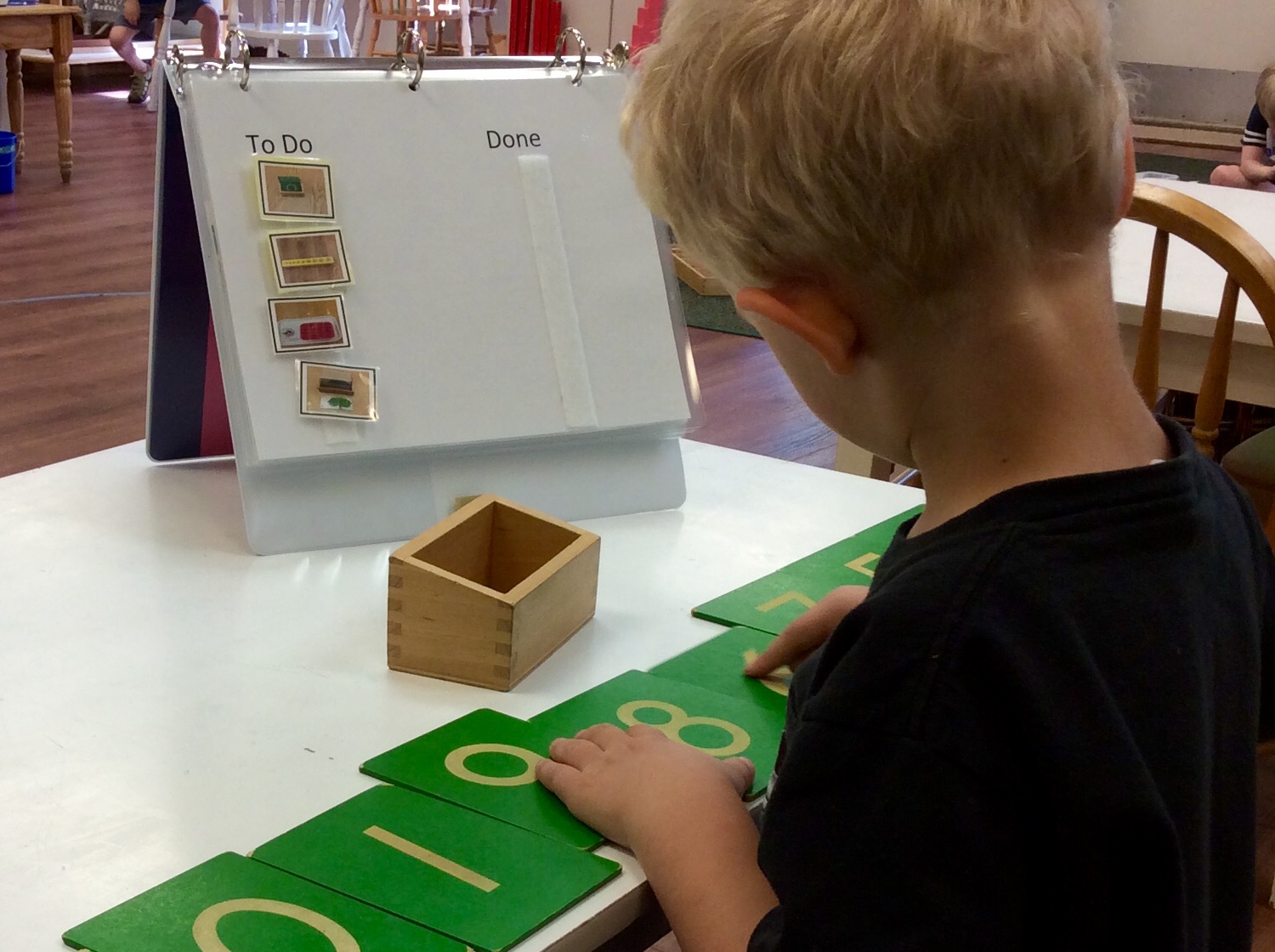
The power of Visual Schedules
Positioning the child
Positioning the materials
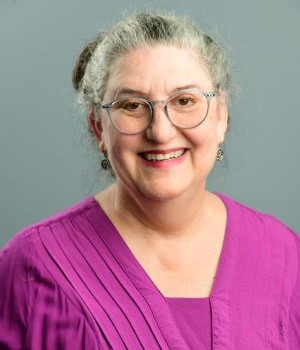
Barbara Luborsky, OTR/L
Barbara Luborsky, OTR/L
Part 1 is intended to help Montessori educators become aware of the many ways the occupational therapist (OT) can support a child with sensory and motor needs in the Montessori school. Barbara will share information that will help teachers develop a deeper understanding of the scope and roles of the OT in Montessori classrooms. OTs are experts at helping children learn to use thier strengths to address things that might be challenging for them- such as attention to task, self-regulation and learning differences. These can result from sensory processing challenges and or developmental motor issues. Barbara will also present information about how the OT and the Montesssorian can work together to support all children. Collaboration among teachers, parents, and medical professionals, such as the OT, is a key factor in supporting the successful participation of children with sensory and motor challenges in the Montessori setting.
Overview of Part 2 Content- Orton-Gillingham & Montessori: An integrated approach (Month #2)
Part 2A
Dyslexia defined
From developmental differences to different needs with Dyslexia
Developmental versus therapeutic language exercises
An overview of Orton-Gillingham language therapy
setting
Part 2B
Observations and identification of needs
Building a collaborative resource team to support students with Dyslexia
Enhancing the therapeutic value of Montessori lessons and activities
Tracking skill development
Accommodations with technology in a Montessori setting
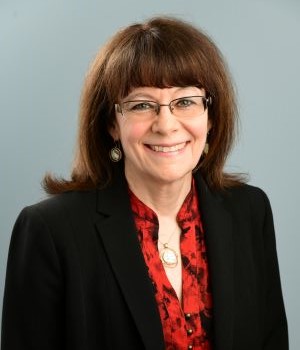
Catherine Nehring Massie, M.A.T. Elementary & Special Ed, AMI Elementary
In Part 2, Montessorians will learn about meeting the needs of children with Dyslexia utilizing Orton-Gillingham (O-G) language therapy in combination with the Montessori Language curriculum. From adapted Montessori materials and lessons to one-on-one O-G tutoring, there are many levels of supporting reading development that are possible for a student with Dyslexia in a Montessori school. Catherine will provide participants with an O-G skill-based framework to use in planning for the needs of their students who are experiencing difficulties in learning to read and write. Participants will explore how collaboration between Montessori Guides and Orton-Gillingham practitioners can lead to a more integrated language and literacy learning experience for the children with language learning differences.

Introducing Part 2 Co-Teacher- Bobbe Spink
Bobbe has been involved in the Montessori communities in Tennessee and North Carolina since 1973 when she founded her first school in Chattanooga, TN. She has taught at the 3-6, 6-9, and 9-12 levels with diplomas from the St Nicholas Training Center, London, England.
Bobbe has also been a head of school for 42 years and a teacher trainer for the St Nicholas Center and the Institute for Guided Studies. Currently she does work with Montessori Medical Partnership for Inclusion, CGMS, and Columbus Montessori Education Center’s AMS TEP program. Since 2017, she has been active as a Montessori consultant in both private and public Montessori schools and as a board member of the Montessori Association of North Carolina.
In her free time, she enjoys spending time with her 3 grown children and her 5 grandchildren; all of whom are or have been Montessori students.
Overview of Part 3 Content-A Montessori Approach for Children with Autism Level 1 Course (Month #3)
Part 3A
How Autism is defined today
Description of common characteristics of Autism
Understanding the diverse needs of students with Autism
Presentation of case examples
Part 3B
How a blended Montessori / Behavior Science approach supports children in building skills
Overview of Montessori / Behavior Science
Data Collection using Michelle’s Program Tracking Manuals
Creating a lesson plan supported by the Montessori / Behavior Science appraoch
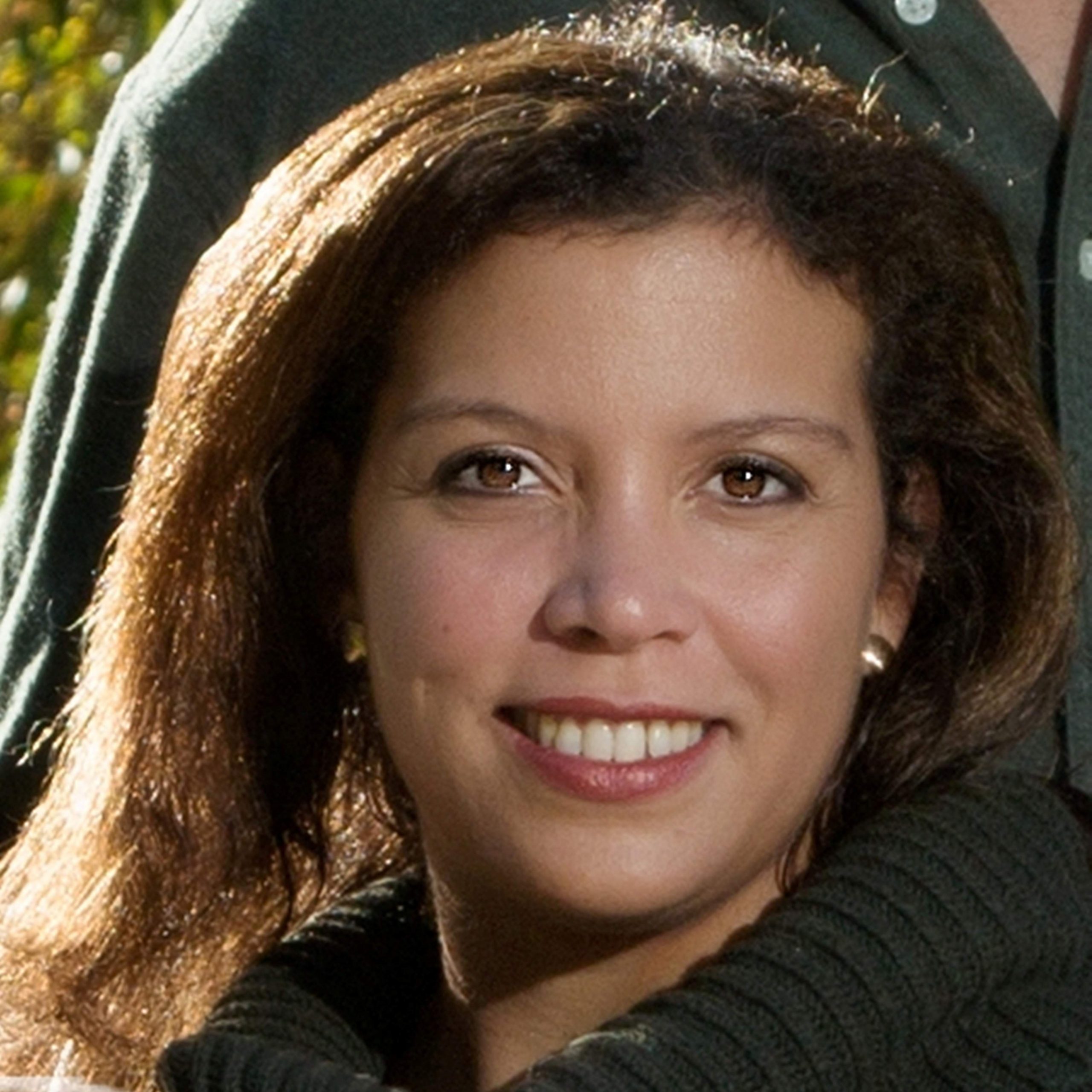
Prof. Michelle Lane M.H.S., A.M.S./E.C., R.E.C.E.
Part 3 is intended to help Montessori educators become aware of the varied challenges that children with Autism face and receive a brief overview of how Behavior Science can support learning and development. This is evidence-based practice that is introduced in this Level 1 class. Our goal is to help Montessorians become familiar with the basics of the scientific approach to behavior therapy. At the end of this course, participants will learn how to create a Montessori lesson plan that incorporates the science of behavior and understand how this approach makes Montessori lessons accessible to children with Autism. The goal of this course is to give Montessori educators a deeper understanding of the value of collaboration with behavior therapists, other medical professionals, and parents in supporting children with autism for success in a Montessori setting.
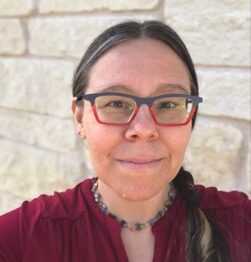
Introducing Part 3 Co-Teacher, Erin Lopez-Brooks
Erin Lopez-Brooks lives for empowering children and strives to show adults how to see them in their best light by integrating the science of human behavior and the Montessori approach. She works with neurodivergent children and families daily as the owner/operator of a Montessori-based therapeutic learning center as a Licensed Board Certified Behavior Analyst, AMI Montessori Elementary teacher with state certifications in General Education: Early Childhood – 6th grade, Special Education, English as a Second Language (ESL), and Gifted & Talented education. She also holds the Comprehensive Orton-Gillingham certification for educators and trains Montessori Behavior Intervention Assistants to support children in their self-construction by bridging skill gaps. She attended the first offering of this Understanding Interventions & Therapies in a Montessori Setting Course as a student in the Fall of 2020, and has been course assistant ever since. She has also taken the Foundations of Montessori Inclusion in Elementary (FMIE) and is now using the amazing techniques she learned as a member of the first English -speaking cohort of trainees in the Montessori Therapy Program in Munich Germany, through MMPI.
What Course Graduates Say
I was fortunate to be a participant in the 2024 course, Understanding Interventions and Therapies in a Montessori Setting, with MMPI, with Catherine Massie, Barbara Luborsky and Michelle Lane, who shared their wealth of knowledge and experience.
There is too much to unpack to give a detailed overview of the benefits of the course, …[but] the overriding benefit for me was an indication of the “possibilities” available in the Montessori environment for assisting children who present with a variety of needs, and the benefits of working collaboratively with allied health, classroom educators and the parents to design learning plans that are achievable in the child’s setting, both home and school.
Another overriding benefit from the course is the clear understanding that collectively we are a power for positive change. The incremental changes we make to the way we deliver education, through manageable modifications and a collaborative approach, serve to empower not only individual children but their educators and parents/caregivers alike.
Watching children thrive is the goal of all involved in a child’s life. This course taught me how Medical expertise, creative, flexible thinking, compassion and dedication can serve to make a positive difference in the life of a child, at school and beyond.
Janette Reimerink
Head of Inclusion, North-Eastern Montessori School
I’ve been looking for a course to help me understand children with special needs, and the MMPI was a perfect fit for several reasons. It aligned with Montessori principles, focusing on the environment and how materials can be fully utilized. The course made me aware that all children are different, and as Montessorians, we need to be flexible and adapt our knowledge to how children learn. Since taking this course, it has inspired me to do better and become an advocate for those who require additional support.”
Course Logistics and Details
Course Requirements:
- Technical: Participants must have a device with an internet connection, a webcam for video capability, and audio input/output capabilities. A computer with a mouse and keyboard is highly recommended. For computers, you will need a current browser, the software capability to read documents in MS Word and pdfs, an up to date software system (Apple OS X or Microsoft Windows 10), security software (antivirus protection/firewall) and access to Google classroom and to the Padlet app.
- To access the Google classroom: Participants must have an email account that is not associated with an educational institution or with another course on Google Classroom.
- Attendance: Participants must attend or make up all sessions and complete all assignments with a “Pass” grade to get a Certificate of Completion.
- Class materials and access codes are for class participants only.
- Course Text: This course will use Montessori Strategies for Children with Learning Differences: The MACAR Method by Joyce Pickering as our textbook. This textbook is available in print and in e-book formats. Click here for more information. Please note that if you are ordering from Amazon, you must use the Amazon site for your country.
- Accessibility: We will do our best to accommodate your ADA needs; please contact us to let us know how we can make the course more accessible to you, by emailing mmp4inclusion@gmail.com.
- Course Certificate: At the conclusion of the course, you will receive a certificate of completion from Montessori Medical Partnership for Inclusion, if you attended all required online sessions and completed all assignments. Specific requirements will be discussed at the Course Orientation, date and time coming soon.
- Note: All sessions are recorded, with the exception of breakout discussion group sessions. By attending the class, you are giving your consent to be video taped. Taping of the sessions by individual participants is strictly prohibited.
This course is presented solely for educational purposes. The content of this course is not intended to be a substitute for professional medical or psychiatric advice.
Everything discussed in class or with fellow students is confidential. You agree to maintain that confidentiality.

Follow us to get updates on all of our course offerings.
Not Yet a Member?
Follow Us!
We promise we won't bombard you with emails!